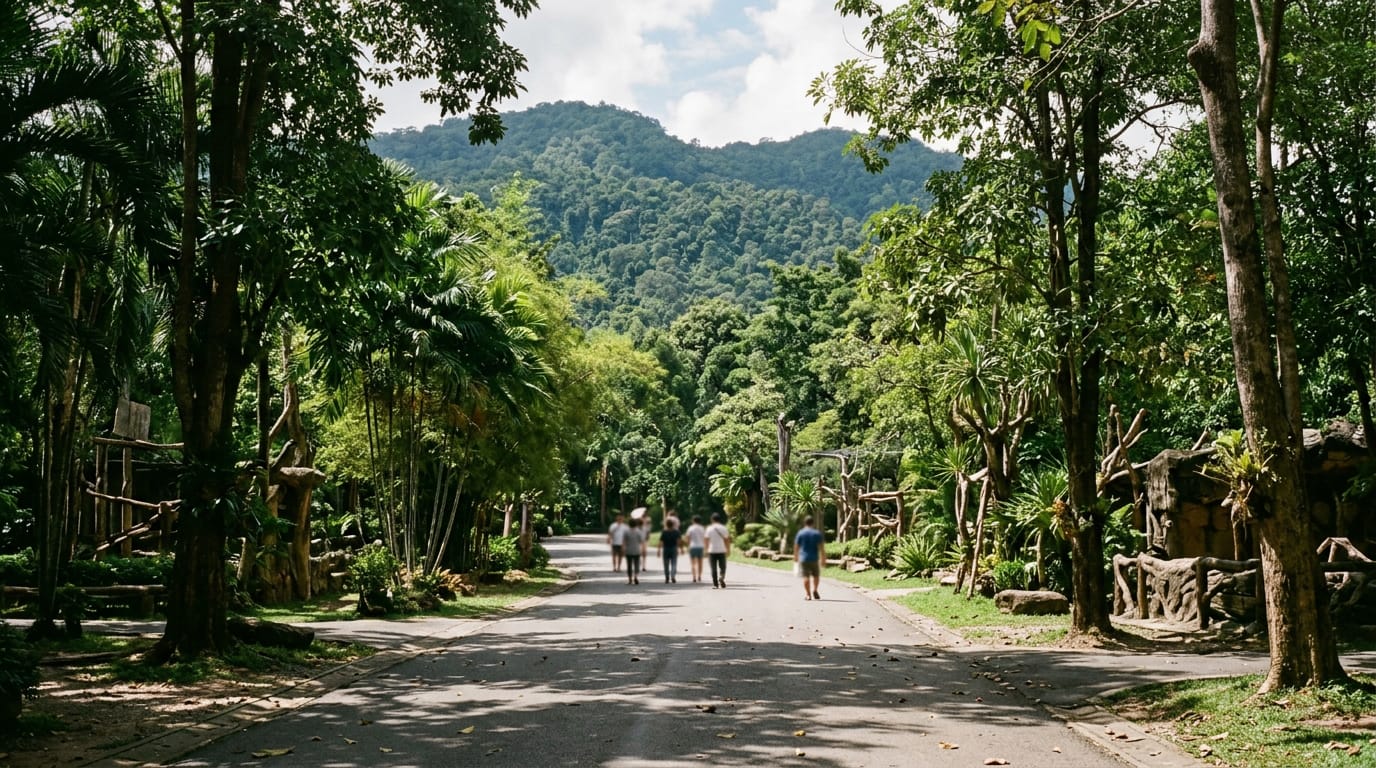
Chiang Mai Zoo sits at the foot of Doi Suthep, just outside the Old City, and is one of only a handful of zoos outside China to host giant pandas. The 81-hectare site sprawls up a forested hillside with around 400 species, an aquarium, a panda house and a tram service that handles the climb between the lower and upper enclosures.
Updated
What it is
Chiang Mai Zoo is the oldest and largest zoo in northern Thailand. It sits at the foot of Doi Suthep, four kilometres west of the Old City moat at the end of Huay Kaew Road, on a slope that climbs from 380 m at the main gate to about 580 m at the highest enclosure. The site covers 81 hectares and holds around 400 animal species in 7,000 individual specimens, including most of the headliners visitors expect (elephants, tigers, giraffes, hippos, lions, primates) and a few unusual ones.
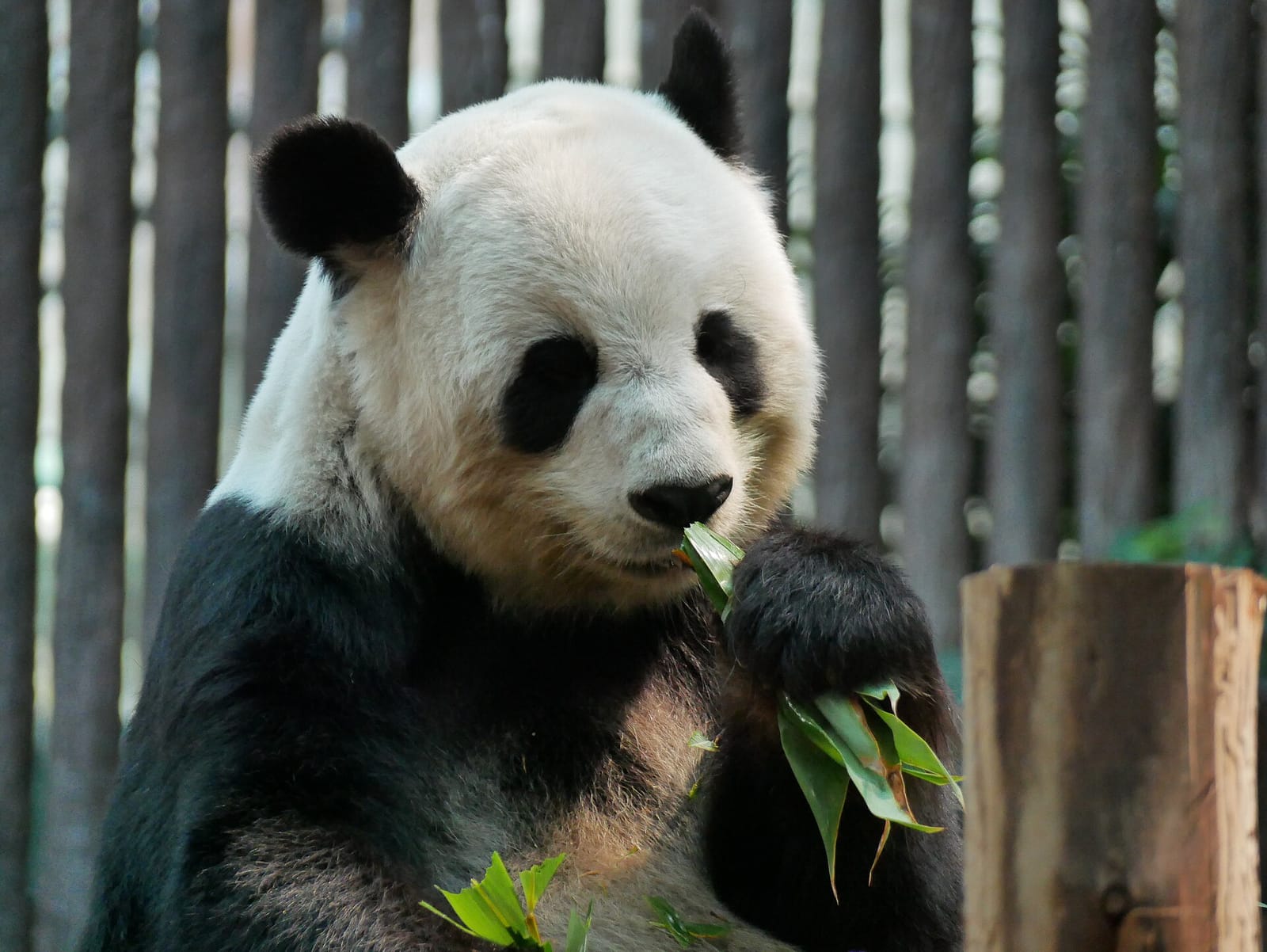
The zoo’s headline residents are the giant pandas. Chiang Mai is one of only a handful of zoos outside China to host them. Lin Hui has been here since 2003 on long-term loan from the China Conservation and Research Centre for the Giant Panda, and lives in an air-conditioned house that keeps her at 22 °C year-round. Her former partner Chuang Chuang died in 2019 and was repatriated; their cub Lin Ping was returned to China in 2013. The loan agreement was renewed in 2024 and Lin Hui remains the only panda on display in mainland South-East Asia.
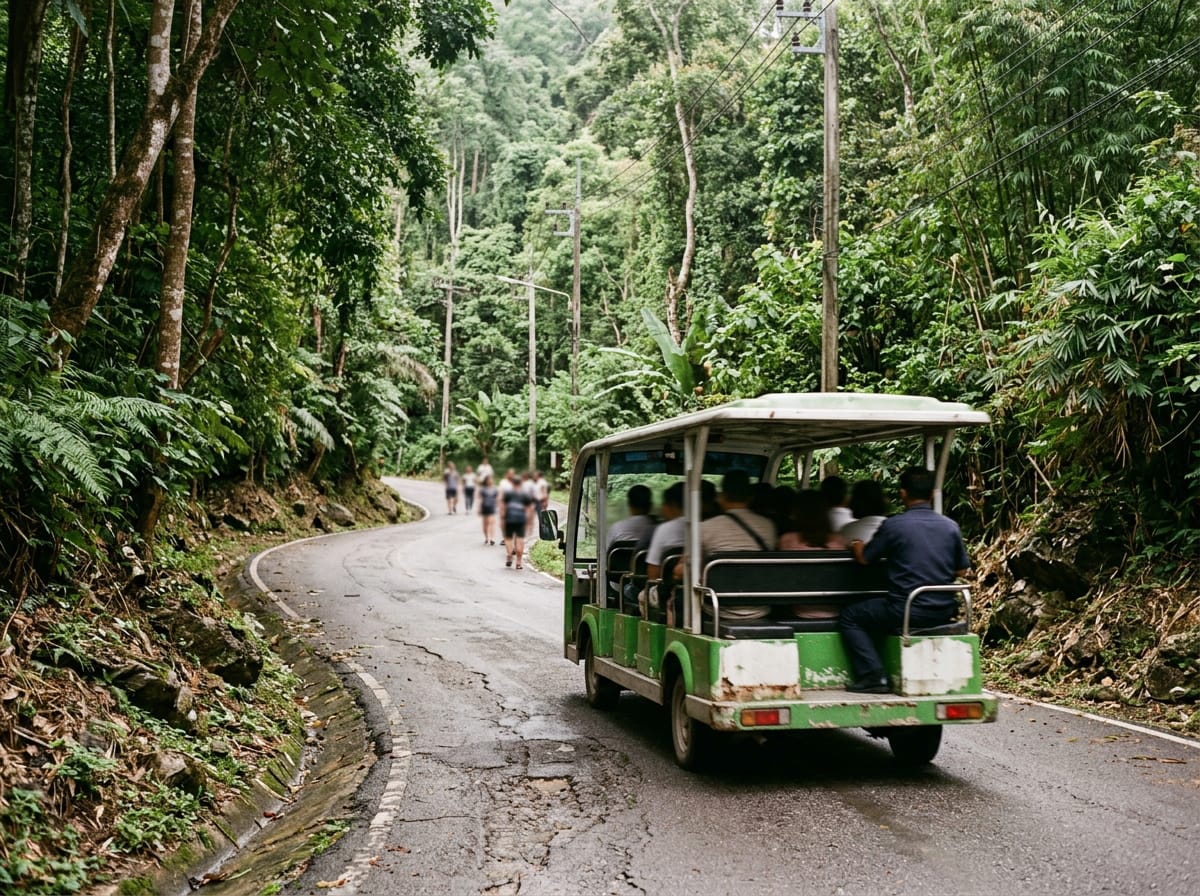
The other defining feature of the zoo is the terrain. Built on a forested hillside, it is not flat. The main road climbs steeply between the lower and upper enclosures and most visitors take the shuttle tram for at least one direction. The flip side is that the zoo feels like a forest park rather than a concrete grid: many enclosures are screened by mature trees and the canopy provides genuine shade. The original 1957 zoo grew out of a private collection at the foot of Doi Suthep and was incorporated into the Royal Forest Department, then transferred to the Zoological Park Organization in 1977.
It is not Singapore Zoo and does not pretend to be. Some enclosures still feel dated and the educational signage is patchy. But for visitors with half a day in Chiang Mai and children to entertain, or for adults who want to see a giant panda at any point in their lives, it is the most reliable family destination in the city.
Highlights
Giant pandas
Lin Hui lives at the south end of the zoo in a dedicated house signposted Panda House. The interior is cooled to 22 °C and walled in glass; you enter through an airlock vestibule that drops the temperature noticeably. There are usually two viewing windows: one onto the inner enclosure where the panda sleeps and eats, one onto the outdoor enclosure used when temperatures are below 25 °C.
The viewing is genuine: this is a working long-loan panda and the staff are panda specialists. Plan for 20–30 minutes. The house gets crowded between 11:00 and 14:00 when tour buses arrive; first thing in the morning is best. Entry is a separate 200 baht on top of the main zoo ticket; tickets are sold at the panda house, not the main gate.
Aquarium
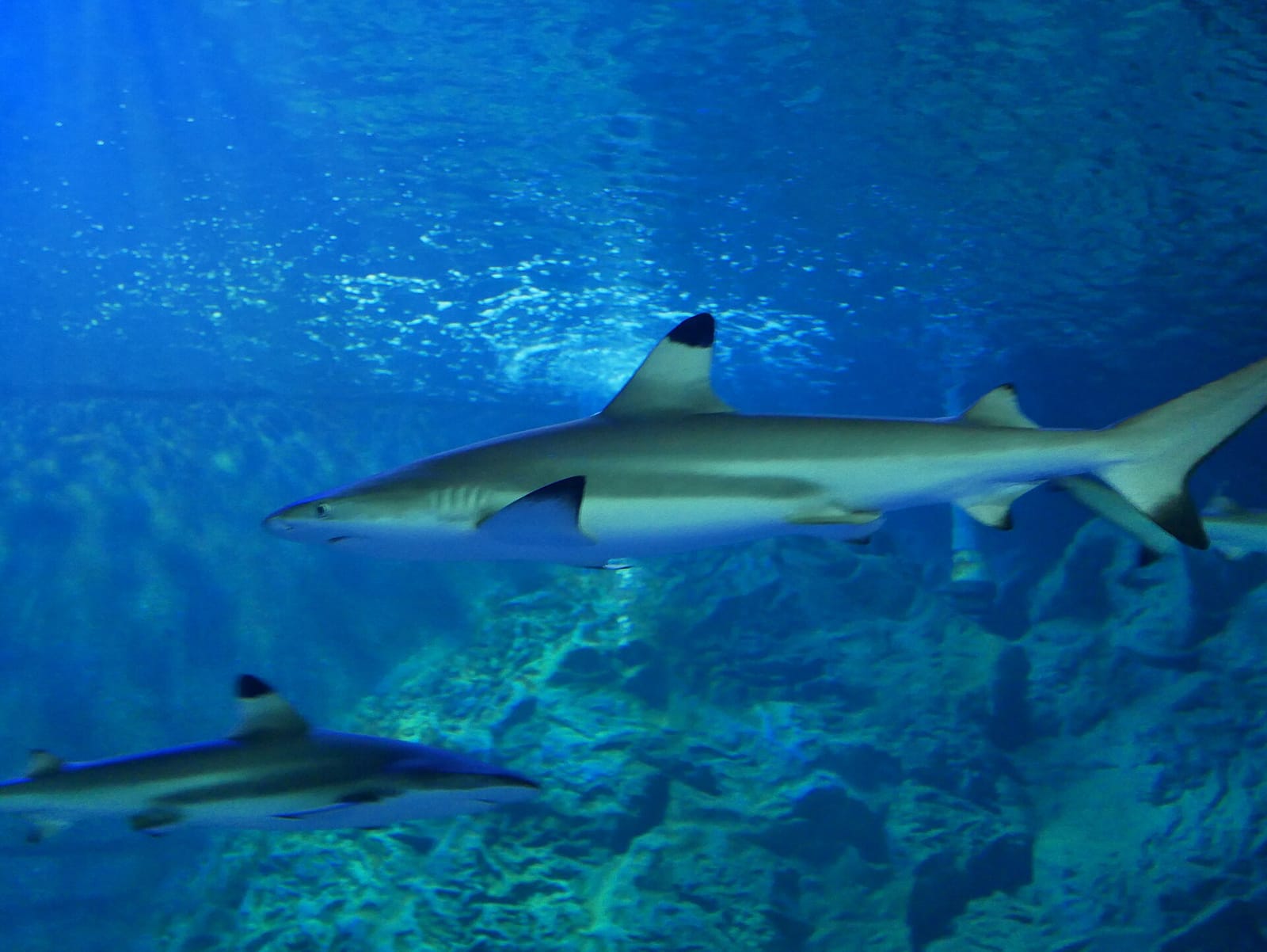
Chiang Mai Zoo Aquarium is a separately built facility opened in 2008, and at the time of opening it had one of the longest acrylic walk-through tunnels in South-East Asia at 133 m. The tunnel splits into freshwater and marine sections. The freshwater stretch is the more unusual: Mekong giant catfish (up to 3 m long), arapaima, freshwater stingrays and an Amazonian section with redtail catfish. The marine section follows with sharks, rays, groupers and a tropical reef tank.
The aquarium is set off the main loop with its own car park and entrance. If time is short, the freshwater tunnel is the part to see; there are bigger marine aquariums elsewhere in Thailand. Entry 200 baht foreigner adult on top of the main ticket. The combined zoo + panda + aquarium ticket at the main gate (400 baht adult) is the cheapest way to do all three.
Layout and tram
The site is laid out as a long oval following a one-way loop road. From the main gate, the road climbs in a clockwise direction past the central lake, the elephant arena, the small mammal area, the giraffe and zebra enclosures (the highest point), the bird enclosures, the African mammals, the carnivore enclosures and back down to the lake. Total walking distance for the full loop is about 3.5 km.
The shuttle tram runs in the same direction with about ten stops. A single ride is 30 baht, an all-day pass 100 baht. The tram is the practical choice; walking the steepest section between the small mammals and the giraffes is hard work in the heat. Wait times are usually under ten minutes.
Small electric buggies (similar to golf carts) can be rented at the main gate for 300 baht per hour and let you set your own pace and stops.
Other animals
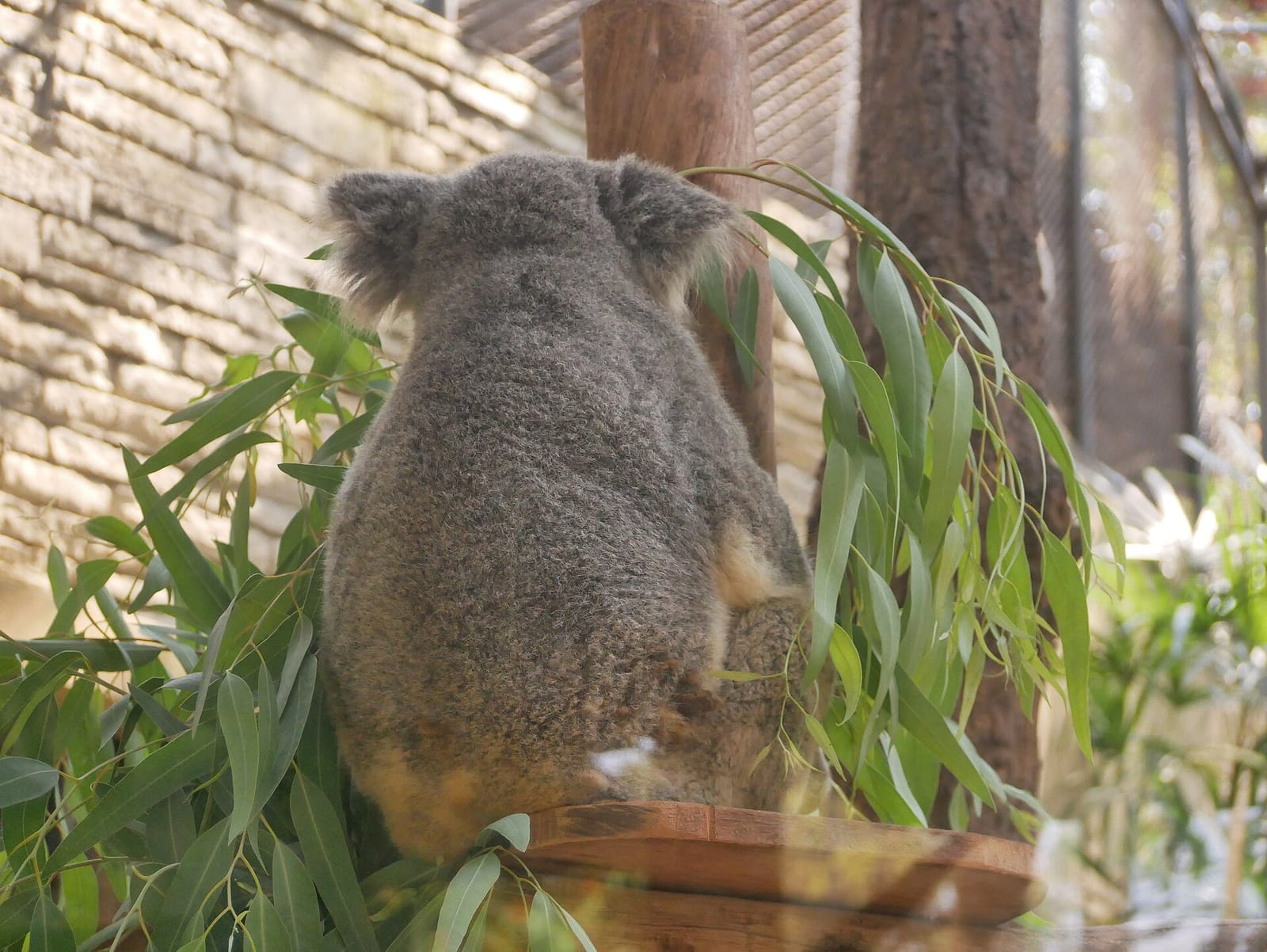
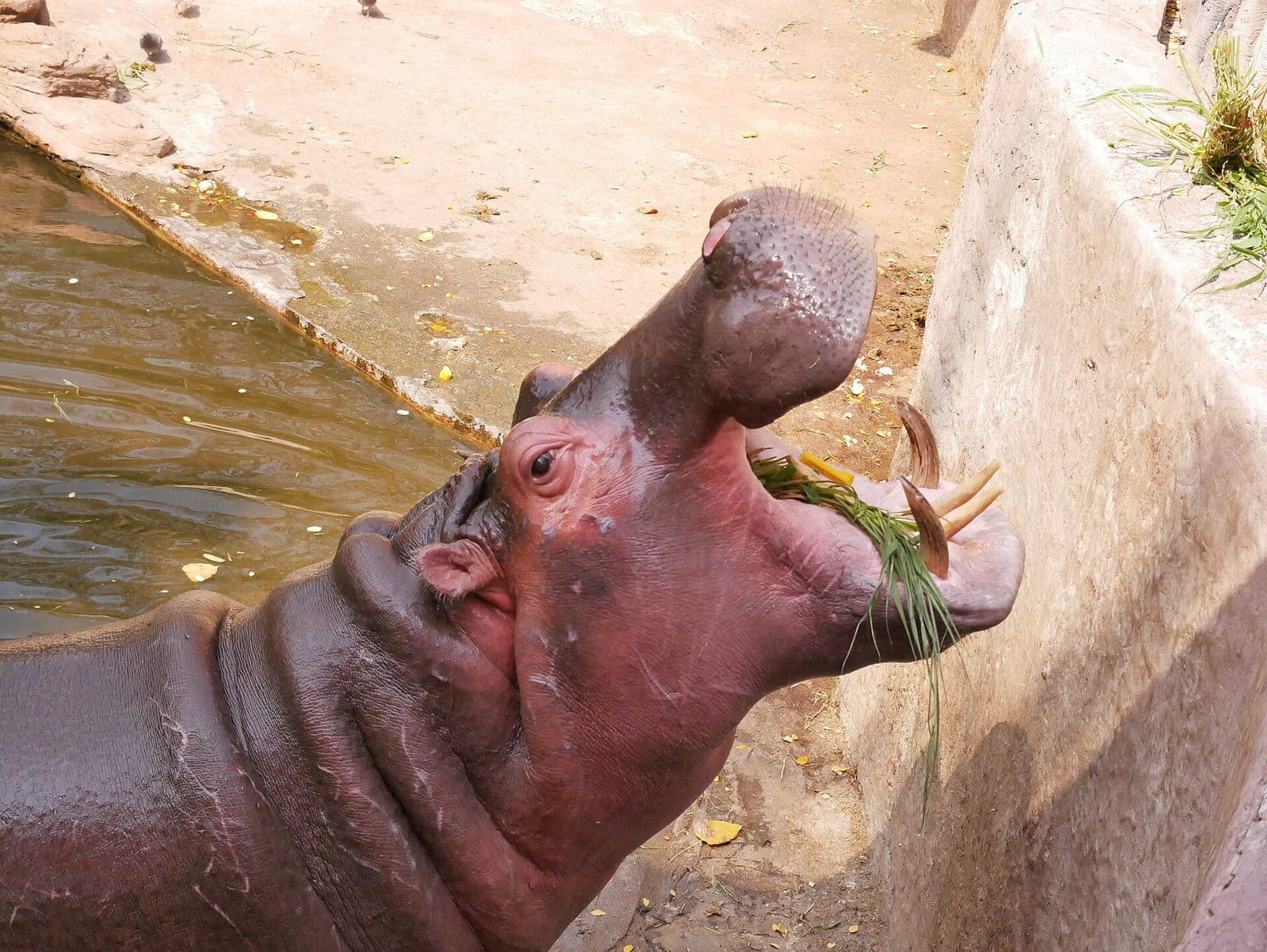
The lions, tigers and Andean spectacled bears occupy a string of enclosures on the upper west side. The hippopotamus pool has an underwater viewing window. The Australian House includes koalas (rare in Asia) and red kangaroos. The Snow Dome, a small refrigerated enclosure that recreates a winter scene with snow blowers, is a Thai novelty more than an animal exhibit but is popular with families.
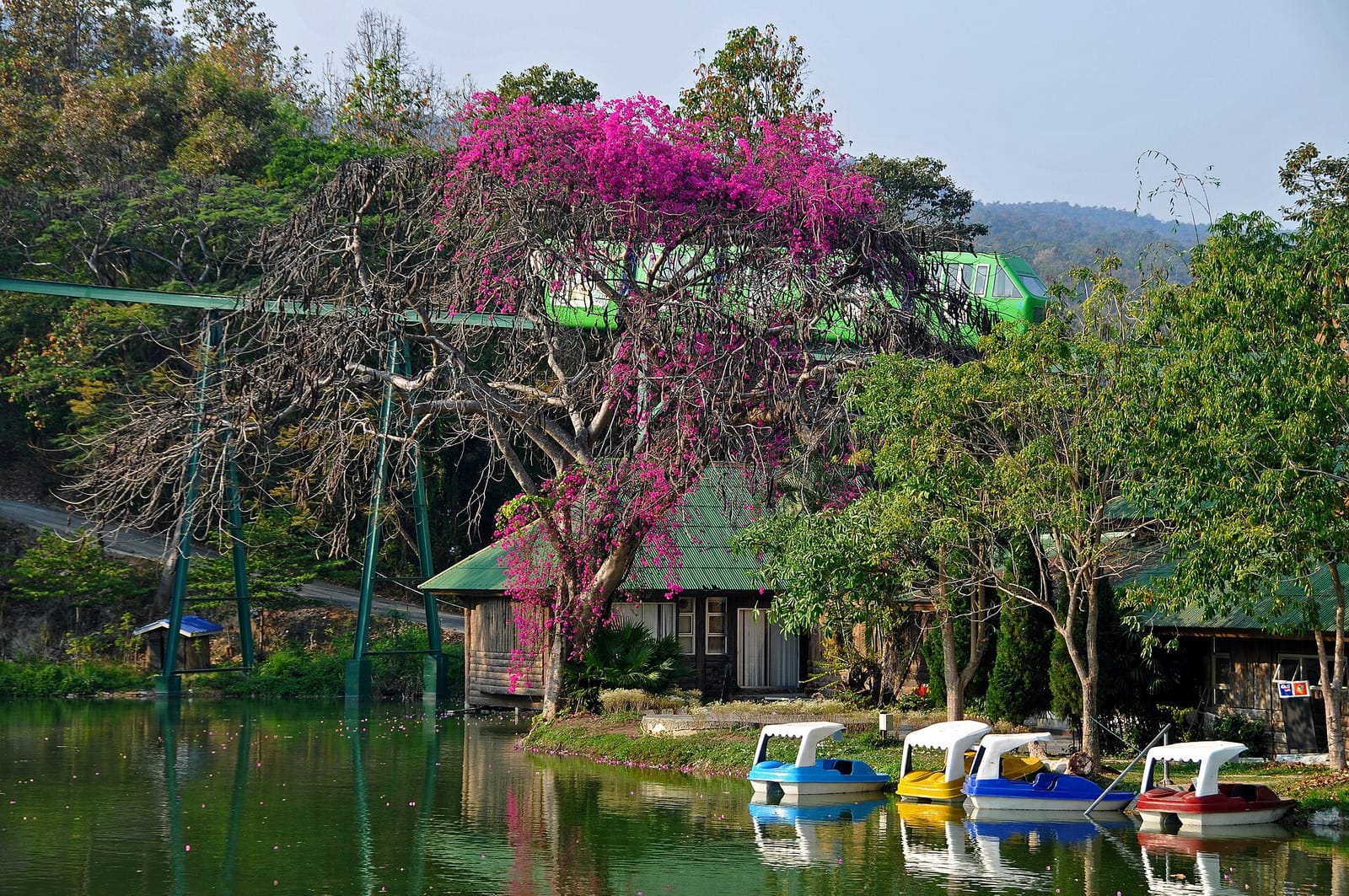
The walk-through bird aviary near the central lake holds hornbills, parrots and several Thai forest species and is one of the most relaxed sections of the zoo. The central lake itself has pedal boats (60 baht for 30 minutes) and a small playground.
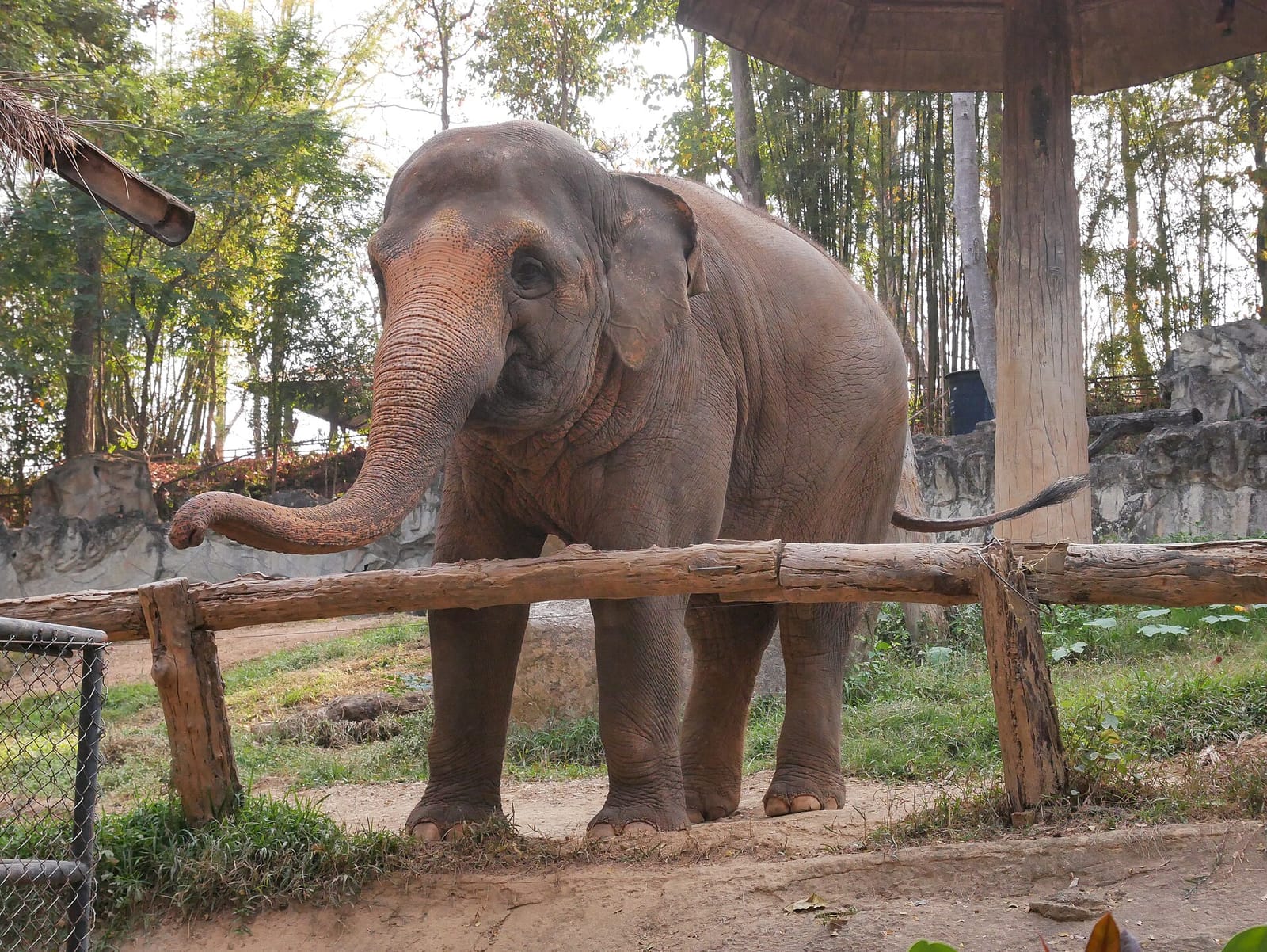
The elephant enclosure has improved markedly in the last decade: the resident Asian elephants are no longer chained at any point during the day and have access to a large back paddock with forest. The twice-daily presentation (10:00 and 14:00) is short, light on tricks and ends with public feeding.
How to visit
The zoo is four kilometres west of the Old City moat along Huay Kaew Road, a continuous straight shot from the eastern corner of the Old City past Chiang Mai University.
Red songthaew shared taxis from Chang Phueak gate or anywhere on Huay Kaew Road run to the zoo for 40–60 baht; flag one down and tell the driver “Suan Sat” (the zoo). Grab and Bolt cars run 100–150 baht from the Old City.
Private car or scooter is easy. The main gate has a large free car park; the aquarium has its own. Many visitors drive a scooter up Huay Kaew Road, park at the zoo and walk in.
Driving distance from the Old City is 4 km / 15 minutes; from the Night Bazaar 6 km / 20 minutes; from the airport 8 km / 25 minutes.
Tickets are sold at the main gate at the bottom of the access road. A few touts may try to sell you elephant-camp tickets near the gate; the zoo’s own ticket office is signposted and clearly inside the entrance plaza.
The combined ticket (400 baht foreigner adult covering main zoo + panda house + aquarium) is the simplest option and saves 200 baht over buying tickets at each separate counter. If you only want the panda or only the aquarium, the individual zoo + add-on tickets are fine.
The shuttle tram has a separate ticket window 50 m past the main gate; 30 baht per ride or 100 baht for the day.
Fees and opening hours
The zoo is open 08:00 to 16:30 every day, year-round. The ticket office closes at 16:00, so arrive earlier than that to give yourself time inside.
Foreigner adult entry 200 baht; foreigner child 100 baht. Panda house 200 / 100 baht. Aquarium 200 / 100 baht. Combined ticket (all three) 400 / 200 baht.
Shuttle tram 30 baht per ride or 100 baht for the day. Electric buggy hire 300 baht per hour. Pedal boats on the central lake 60 baht for 30 minutes.
Discounts for Thai nationals and for over-60s with an ID.
Photography is free throughout (no flash inside the panda house). A small photo studio at the panda house exit offers printed souvenir photos for 150 baht.
What to bring and wear
Comfortable walking shoes. Even with the tram, you will cover one and a half to two kilometres on your feet, often on inclines.
A hat and sunscreen. Most of the upper enclosures are shaded but the main road between them runs in the open.
A water bottle. There are kiosks throughout but they charge tourist prices (30 baht for a small bottle).
A light cardigan or shirt for the air-conditioned panda house and aquarium; both run cool.
Cash in baht for tickets and food. Some windows accept QR PromptPay payments but cash is universal.
No food from outside is technically allowed in the panda house but the rule is lightly enforced.
Best season
The zoo is open and pleasant all year. October to February is the most comfortable: 22–30 °C, low humidity, and the panda’s outdoor enclosure is usually in use because temperatures rarely exceed 25 °C.
March to May is the hottest period. Visit early: open the day at 08:00 and aim to finish by 12:00 when the heat peaks. The shuttle tram is essential. Animals retreat to shaded corners of their enclosures in the afternoon.
June to October is the rainy season. Mornings are usually clear and the zoo is quietest in this period. Carry a light waterproof; afternoon showers are brief but heavy.
The panda house and the aquarium are climate-controlled and unaffected by the season.
The zoo is busiest at weekends in November–January and during Thai school holidays (April, mid-October). Midweek visits at any time of year are noticeably quieter.
Where to eat nearby
Inside the zoo, the main food court next to the central lake has six or seven Thai stalls (noodle soup, fried rice with chicken, somtam, grilled chicken) and a couple of coffee kiosks. Expect 60–100 baht for a meal. There is a sit-down restaurant overlooking the lion enclosure with the same prices.
Outside the gate, the small parade of restaurants on Huay Kaew Road towards the university serves better food at city prices. Khao Soi Khun Yai, ten minutes’ drive back towards the Old City, is the most famous khao soi in Chiang Mai (50 baht a bowl, cash only, closed Sundays and after 13:00).
Nimmanhaemin Road, a kilometre back towards the city, has the densest concentration of cafés, brunch spots and restaurants in Chiang Mai — Rustic & Blue, Graph Café, Ristr8to — and is the natural lunch stop on the way back into town.
Combine with…
The most natural pairing is the Doi Suthep mountain. The zoo is at the foot of the climb to the temple, and a driver hired for the day can do the zoo in the morning (08:00–12:00), lunch on Nimmanhaemin Road (12:30–13:30) and the temple, palace and viewpoints in the afternoon (14:00–17:00).
For a slower full-day pair, Royal Flora Ratchaphruek on the south-west of the city is a botanic garden of comparable scale and is included on combined-ticket promotions with the zoo at peak season. The two are 10 km apart.
For a child-heavy itinerary in the same area, add Maya Lifestyle Shopping Centre (the big mall on Huay Kaew Road) for an indoor afternoon, or the Mae Sa Valley ziplines and butterfly gardens for the following day.
Visitors who want to walk after a morning at the zoo can take the Monk’s Trail behind Chiang Mai University straight up to Wat Pha Lat and then Wat Phra That Doi Suthep, a 1.5 hour climb that starts within walking distance of the zoo’s main gate.
Photos
Frequently asked questions
Are there pandas at Chiang Mai Zoo?
Yes. Chiang Mai Zoo is one of only a small number of zoos outside China to host giant pandas. The current resident, Lin Hui, has been at the zoo since 2003 on long-term loan from China and lives in a dedicated air-conditioned panda house. Entry to the panda house is a separate 200 baht on top of the main zoo ticket.
How long does the zoo take?
Most visitors spend three to four hours. The site is 81 hectares on a steep slope, so even a quick visit covers a kilometre and a half of walking. Use the shuttle tram (30 baht per ride) to skip the steepest stretches if you have children or limited mobility.
How much is Chiang Mai Zoo entry?
200 baht for foreigner adults, 100 baht for children. The panda house is a separate 200 / 100 baht. The aquarium is another 200 / 100 baht. A combined ticket covering all three is sold at the main gate for 400 / 200 baht and saves 200 baht over buying separately.
Where is Chiang Mai Zoo?
At the foot of Doi Suthep, four kilometres west of the Old City moat on Huay Kaew Road. It is next to Chiang Mai University and below the start of the road up to Wat Phra That Doi Suthep. Allow 15 minutes by car from the Old City.
Is Chiang Mai Zoo good for children?
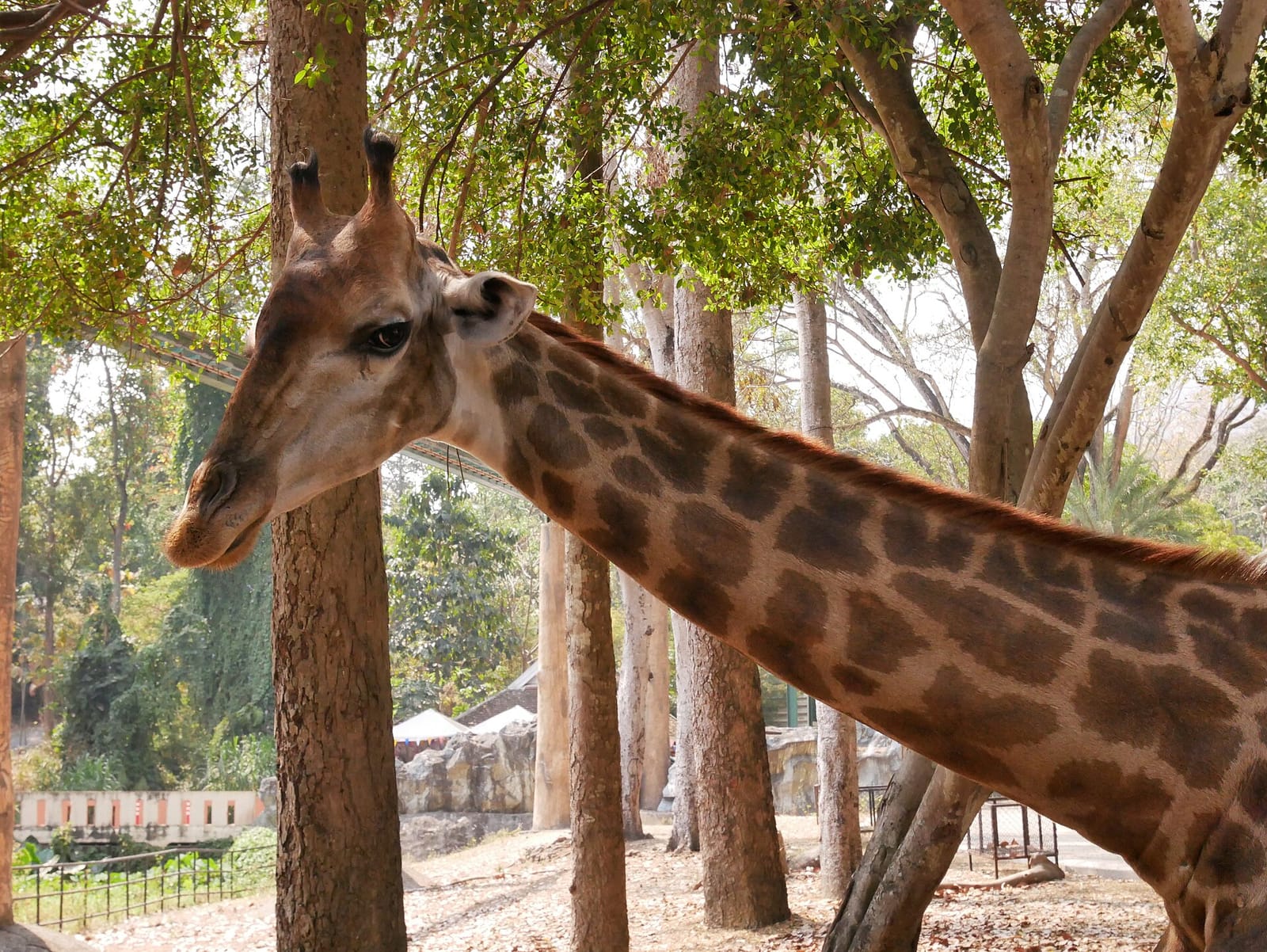
Yes. The pandas, the aquarium tunnel, the elephant feeding platform, the open giraffe enclosure where you can feed leaves over the fence, and the central lake with pedal boats are all child-friendly. The tram avoids the worst of the hills.
Are there elephant rides at the zoo?
No. The zoo has Asian elephants in a large enclosure and a twice-daily presentation, but no rides. Welfare standards have improved significantly since the 2010s; the elephants are not chained and have access to forest paddocks.
Is there an aquarium at Chiang Mai Zoo?
Yes. Chiang Mai Zoo Aquarium is a separately ticketed facility inside the zoo grounds, with a 133 m acrylic walk-through tunnel — one of the longest in South-East Asia. It mixes freshwater (Mekong giant catfish, arapaima) and marine (sharks, rays) sections. Entry 200 baht foreigner adult.
How do I get around the zoo?
Three options: walk, electric shuttle tram (30 baht per ride or 100 baht for the day) or rent a small electric buggy at the main gate (300 baht per hour). The shuttle is the practical choice — it follows a one-way loop with stops at each major enclosure.
Are there restaurants inside the zoo?
Yes. The main food court near the central lake has half a dozen Thai stalls (noodles, fried rice, somtam) and a coffee kiosk. Smaller stalls cluster at the panda house and the aquarium. A sit-down restaurant overlooks the upper lion enclosure.
Can I visit the zoo and Doi Suthep on the same day?
Yes — this is the natural pairing. The zoo is on Huay Kaew Road at the foot of the climb to Wat Phra That Doi Suthep. A driver hired for the day can do the zoo in the morning (08:00–12:00) and the temple in the afternoon (14:00–17:00) with lunch in between.
Related guides
Sight
Doi Suthep
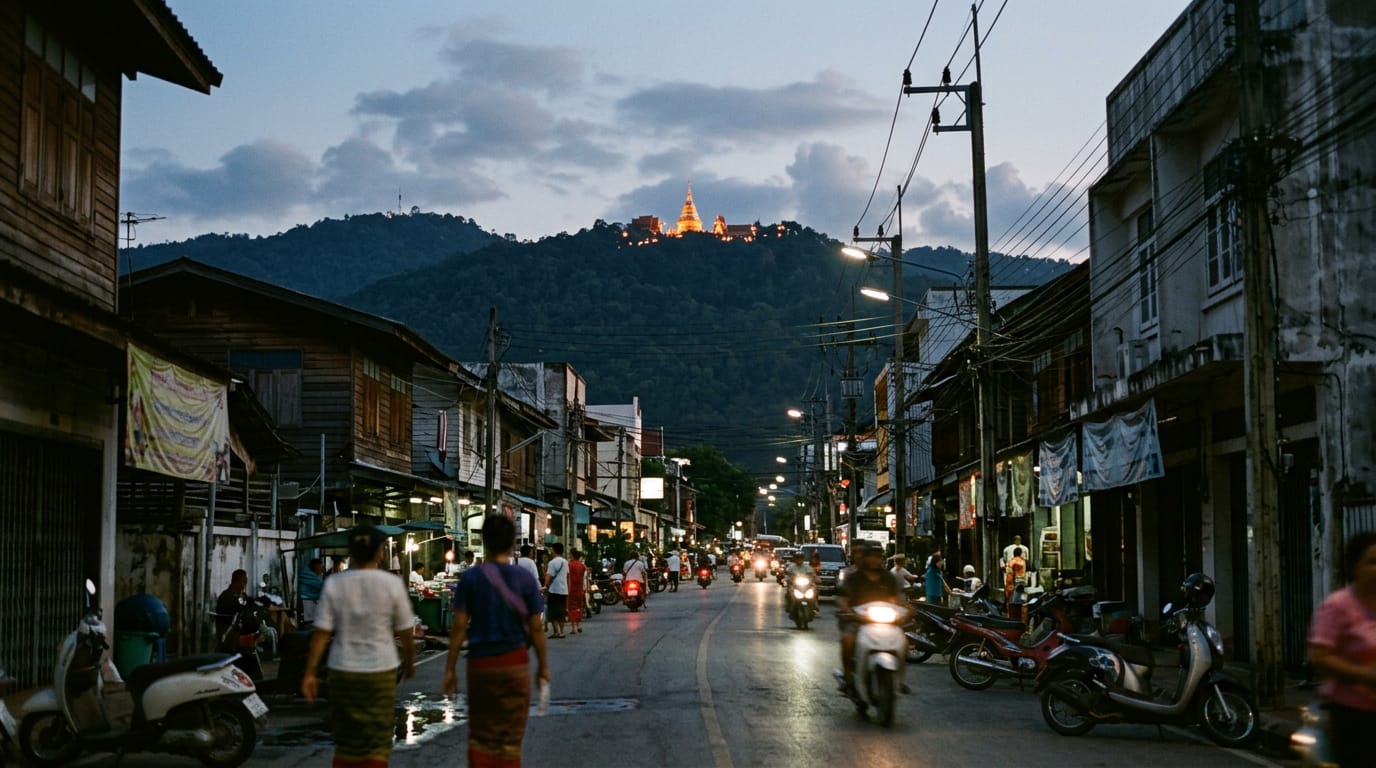
Doi Suthep is the 1,676 m mountain that rises straight out of the western suburbs of Chiang Mai. The mountain holds the city's most photographed temple at 1,073 m, the king's winter palace, a Hmong village near the summit and several waterfalls — and is a separate destination from the temple of the same name, which sits on its flank.
Sight
Royal Flora Ratchaphruek
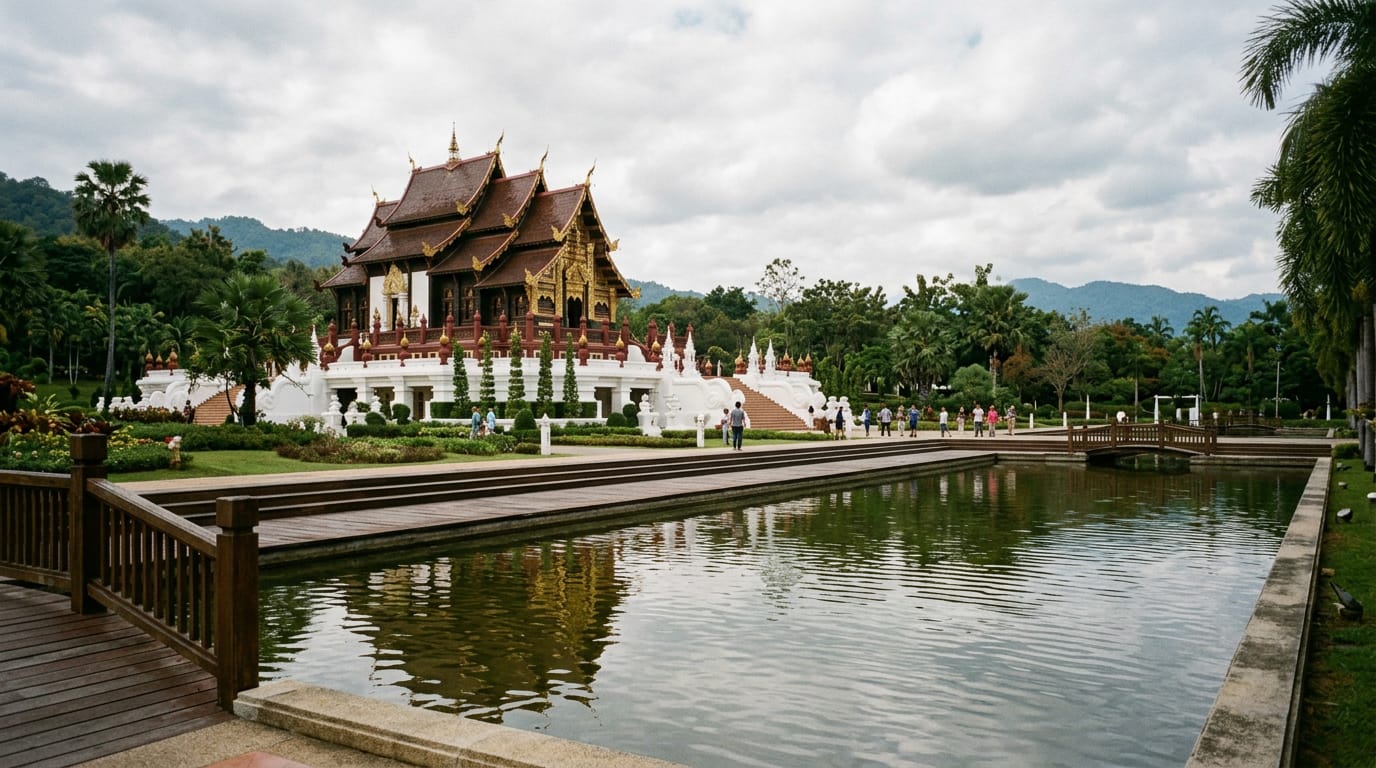
Royal Flora Ratchaphruek is an 80-hectare botanical exposition six kilometres south-west of Chiang Mai, built in 2006 for the International Horticultural Exposition honouring King Bhumibol's 60-year reign. The site collects themed gardens from every Thai province and 32 foreign countries around the gilded Royal Pavilion (Ho Kham Luang) and a tropical glasshouse.